
Setting the Stage: Not Sci-Fi Anymore
“What makes an HR professional future-ready today? It is not merely people skills or fluency in technology buzzwords—it is the ability to work alongside artificial intelligence (AI) agents.”
For many, AI still evokes images of futuristic robots or complex algorithms. In reality, AI has already entered the mainstream of work, not as a replacement for human talent, but as a complement. AI agents, in particular, are transforming how professionals manage tasks, make decisions, and deliver value (Brynjolfsson & McAfee, 2017; Davenport & Kirby, 2016).
In my own practice, I have designed and deployed AI agents to assist in leadership, administration, and HR technology translation. These are not abstract experiments—they are operational team members with distinct functions.
Meet My Three Agents
I currently collaborate with three AI “partners,” each designed with a persona and mission aligned to my professional needs:
- EMMA ( EMM AI Assistant)– an executive assistant agent handling scheduling, email drafting, and task management.
- PATRIC (Personal Trainer and Resilience & Inspiration Coach) – a motivational coach agent that prompts reflection and supports leadership growth.
- TECHIE (Technology and Innovation Enabler) – an HR technology advisor agent that simplifies complex HR Tech and people analytics.
The key insight: effective AI adoption in HR is not about using generic tools, but about designing agents to serve specific organizational and personal needs (Huang & Rust, 2021).
What Exactly Is an AI Agent?
An AI agent may be thought of as a digital team member—capable of executing instructions, adapting to feedback, and performing workflows. Unlike chatbots that respond reactively, AI agents proactively handle tasks such as:
- Automating repetitive administrative processes
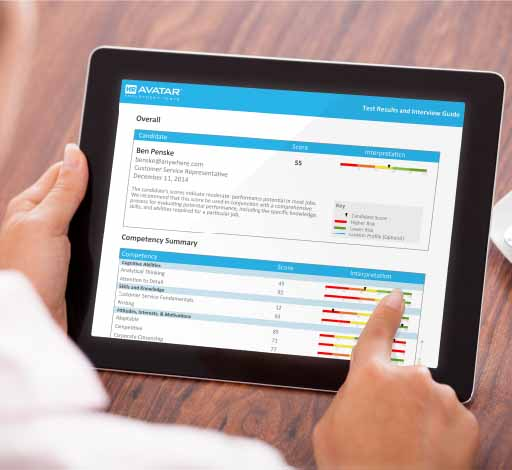
- Screening resumes with improved speed and fairness
- Recommending personalized learning pathways
- Generating insights from people analytics
Emerging research differentiates between AI agents (task-driven) and agentic AI (goal-driven, reasoning systems) (Park et al., 2023). While this article focuses on the former, understanding this trajectory is critical for HR leaders.
Why HR Leaders Need Them Now
Human Resources (HR) has traditionally been people-focused, but in the digital era, being people-focused also requires being data- and technology-fluent.
Research shows that HR professionals spend up to 40% of their time on administrative tasks that could be automated (McKinsey, 2021). This not only delays strategic initiatives but also undermines employee experience. By leveraging AI agents, HR teams can shift their focus toward strategic imperatives such as coaching, culture-building, and workforce planning.
Three Practical Ways to Begin
For HR leaders considering their first AI agents, three practical entry points are:
- Automate the Repetitive – Scheduling interviews, generating onboarding communications, or tracking leave requests (tools: Zapier, Make, HRIS platforms with AI modules).
- Turn Data Into Insights – Developing an agent that monitors attrition risk, engagement scores, or training completion, producing weekly HR dashboards (tools: Visier, Power BI with AI connectors).
- Personalize Learning at Scale – Deploying agents that identify skill gaps and recommend targeted training (tools: Disprz, LinkedIn Learning with AI curation).
Crucially, success depends less on advanced coding knowledge and more on having clear processes, clean data, and organizational curiosity.
A Philippine Case Study: AI in Recruitment
One Philippine retail client faced overwhelming recruitment demands, receiving thousands of resumes each month. Recruiters reported feeling like “robots,” sifting through applications instead of engaging with candidates.
By implementing an AI screening agent trained on job-relevant skills and qualifications, the company achieved the following within six months:
- 40% reduction in time-to-hire
- Improved recruiter engagement and reduced burnout
- Enhanced candidate experience through structured, transparent feedback
This case illustrates AI not as a “black box,” but as a partner enhancing both efficiency and human connection.
How to Get Started
For HR professionals ready to explore AI agents:
- Tools: Start with widely available platforms such as ChatGPT, HR Avatar, or HRIS with AI integration.
- Skills: Learn prompt design, process mapping, and foundational data literacy.
- Resources: Document HR workflows clearly—AI agents can only replicate processes that are well-defined.
A practical formula emerges: Clear process + Clean data + Appropriate tool = Effective AI agent.
Tools You Can Use Today 
The good news is, you don’t need advanced coding skills to build your first AI agent. A number of no-code and low-code platforms already exist:
- ChatGPT Custom GPTs (OpenAI): Lets you design agents with specific roles and instructions—perfect for HR use cases like policy Q&A or drafting communications.
- Zapier or Make (formerly Integromat): Automates workflows between HR tools (e.g., ATS → HRIS → Slack) with AI triggers.
- Power BI with AI Connectors: Builds dashboards that automatically analyze engagement, attrition, or learning data.
- HR Tech Platforms with AI Features: Tools like Visier, Disprz, Udemy, and LinkedIn Learning already integrate AI to personalize employee journeys.
These platforms empower HR professionals to experiment, test, and scale AI agents without needing a programming background. The entry barrier is lower than ever—what matters most is clarity of process and willingness to innovate.
The Future: Toward Agentic AI
While AI agents serve as task “doers,” emerging agentic AI systems are “thinkers.” These systems plan, reason, and adapt dynamically. In HR, this could mean moving from automating interviews to anticipating workforce trends and recommending strategic interventions (Park et al., 2023). This is the horizon HR leaders should watch.
Conclusion
The key question is not whether to trust AI agents, but how to design, monitor, and train them—much like human team members. AI agents, when thoughtfully integrated, do not replace HR. Instead, they elevate HR, enabling practitioners to be more strategic, more human, and more impactful.