A few months ago, I was speaking with a CEO who proudly shared his company’s people metrics dashboard.
“We monitor turnover, engagement, absenteeism, productivity, and headcount every month,” he said.
On paper, everything looked impressive.
Employee engagement was above target.
Turnover was stable.
Absenteeism remained low.
Yet six months later, the organization faced a serious talent crisis.
Critical roles remained unfilled.
Managers struggled to lead increasingly digital teams.
Projects slowed because employees lacked emerging skills required by the business.
The organization had data.
What it lacked was foresight.
And that’s when it became clear:
The most important workforce metric wasn’t on the dashboard.
It was Workforce Readiness.
Looking Through the Rearview Mirror 
Many organizations are still managing people using what I call “rearview mirror metrics.”
Turnover tells us who already left.
Engagement tells us how employees felt when they answered a survey.
Absenteeism tells us who was absent.
Productivity measures what has already happened.
These metrics are valuable.
But they are lagging indicators.
They explain yesterday. They do not predict tomorrow.
Peter Drucker is often credited with saying, “If you can’t measure it, you can’t manage it.” While organizations have become increasingly sophisticated at measuring workforce activity, many have not evolved toward measuring workforce readiness—the capability of their people to meet future business demands.
The workplace is changing too quickly for leaders to rely solely on historical data.
The question is no longer:
“How did we perform?”
The question is:
“Are we prepared for what comes next?”
The Workforce Readiness Imperative 
The World Economic Forum has repeatedly highlighted the accelerating pace of workforce transformation.
According to its Future of Jobs research, a significant portion of the global workforce will require reskilling as technology, AI, and automation reshape work. Organizations that fail to prepare their people risk falling behind competitors that invest early in skills development and workforce adaptability.
In fact, current WEF scenarios suggest that the future impact of AI will depend less on technology itself and more on how prepared workers and institutions are to adapt. The most positive scenario is one where organizations invest in AI-ready skills and use technology to augment rather than replace human talent.
This is why Workforce Readiness has become a strategic business issue.
It is no longer simply an HR concern.
It is a boardroom concern.
What Workforce Readiness Really Means 
Workforce Readiness is the organization’s ability to align talent capabilities with future business requirements.
It answers questions such as:
- Do employees possess the skills needed for future growth?
- Are leaders prepared to lead AI-enabled and hybrid teams?
- Where are capability gaps emerging?
- Which business units are vulnerable to talent shortages?
- What workforce risks could impact strategic objectives?
Unlike traditional HR metrics, Workforce Readiness focuses on future capacity rather than historical performance.
It is about preparedness.
Not merely performance.
Why Boards Should Care 
Consider how boards evaluate financial health.
They do not only examine last quarter’s revenue.
They assess forecasts.
Market risks.
Future investments.
Growth potential.
Yet many organizations continue to evaluate workforce health primarily through historical HR metrics.
That is equivalent to driving a car by looking only in the rearview mirror.
The reality is that business strategy and workforce strategy are now inseparable.
An ambitious growth strategy means little if the workforce lacks the skills to execute it.
A digital transformation initiative can stall if leaders are not equipped to manage change.
An AI strategy can fail if employees do not trust or understand the technology.
As Deloitte Asia-Pacific CEO Rob Hillard recently observed, workforce preparedness is becoming a defining challenge of the AI era. He noted that organizations must help people work effectively alongside technology rather than fear it.
The future belongs not to organizations with the most technology.
It belongs to organizations with the most prepared workforce.
From Reporting to Predicting 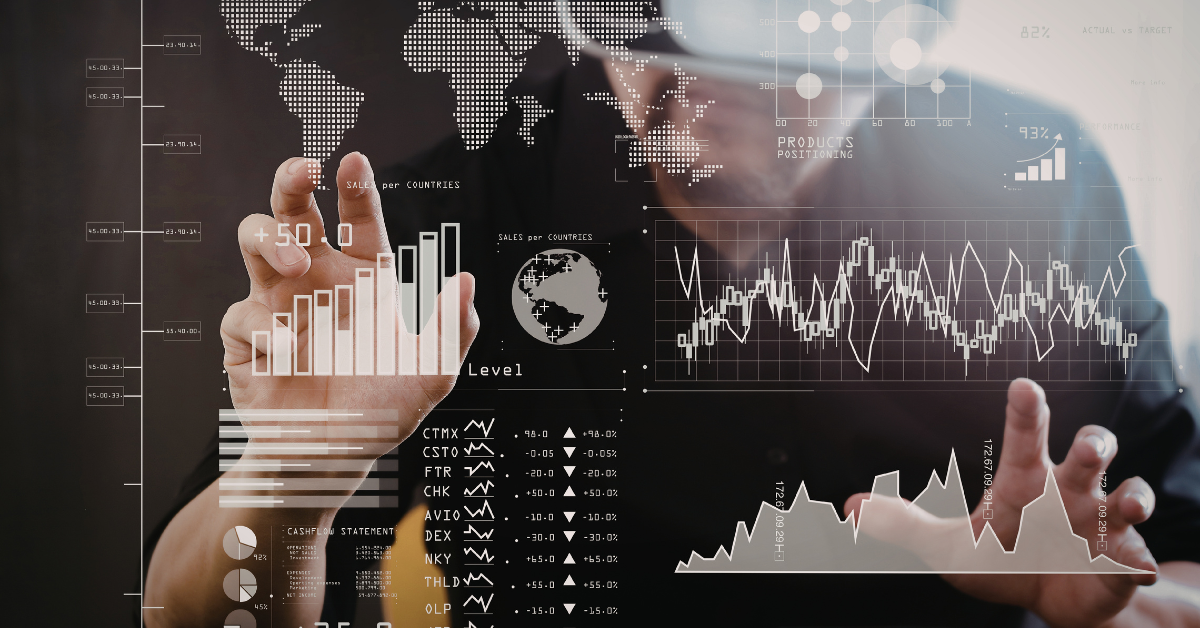
The evolution of HR mirrors the evolution of business itself.
The first generation of HR focused on administration.
The second focused on compliance.
The third focused on employee experience.
The next generation must focus on workforce intelligence.
Forward-looking organizations are beginning to shift from descriptive analytics to predictive analytics.
Instead of asking:
“What happened?”
They ask:
“What is likely to happen next?”
Instead of measuring attrition after employees leave, they identify risk signals before employees resign.
Instead of discovering capability gaps after a project fails, they anticipate future skills shortages.
Instead of reacting to workforce challenges, they prepare for them.
This shift represents the future of People Analytics.
The DARE Approach to Workforce Readiness 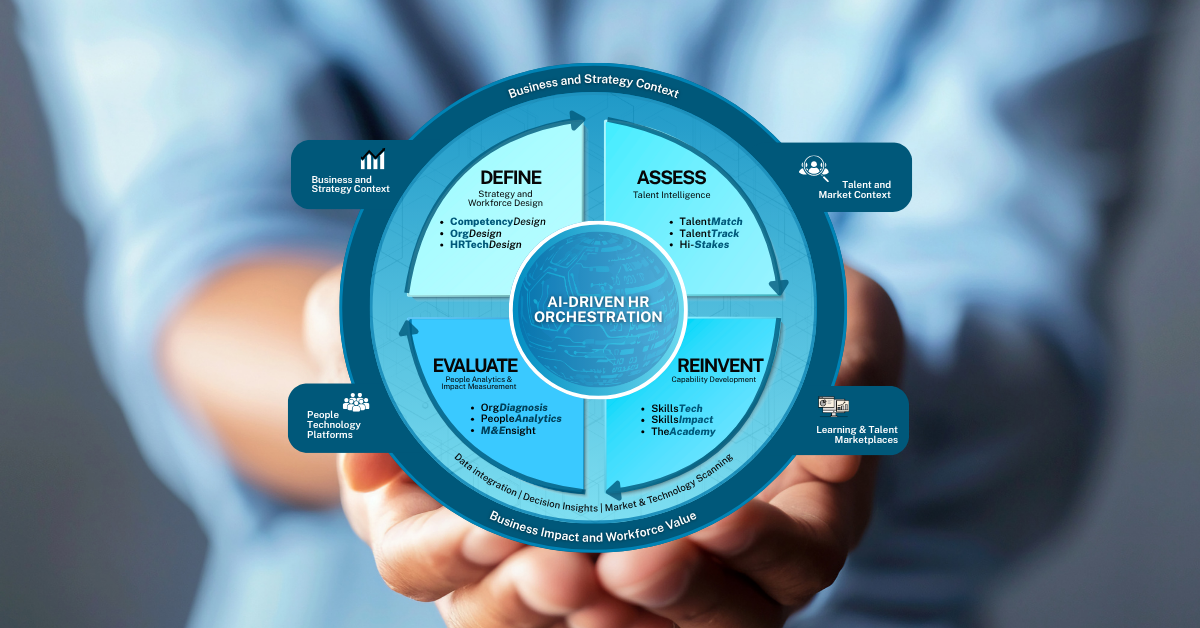
As HR leaders, we need a practical framework.
I often use the DARE Framework:
D – Discover
Identify workforce signals, emerging skills requirements, and organizational risks.
A – Analyze
Examine workforce data to uncover trends, patterns, and capability gaps.
R – Respond
Implement targeted interventions, learning programs, leadership development, and workforce planning strategies.
E – Elevate
Build a future-ready workforce capable of driving sustainable business performance.
Workforce Readiness is not a one-time assessment.
It is an ongoing strategic discipline.
The Question Every Board Should Ask 
As AI, automation, demographic shifts, and new ways of working continue to reshape business, organizations face a choice.
They can continue measuring what happened yesterday.
Or they can start preparing for tomorrow.
The companies that thrive in the next decade will not necessarily have the largest workforce.
They will have the most prepared workforce.
And perhaps the most important question every board should ask today is:
“How ready are our people for the future we are creating?”
Because readiness is no longer an HR metric.
It is a business imperative.

About the author
Liza Manalo-Mapagu is the CEO of ASEAMETRICS, a leading HR technology firm driving digital transformation to help people and organizations thrive in the evolving workplace. As one of the pillars of the industry, she specializes in individual and organizational capability building, HR technology solutions, talent analytics, and talent management. A recognized thought leader in HR innovations and advocate for ethical AI in HR, Liza empowers businesses and HR leaders through innovative strategies that align people, organizations, and technology. She also serves as the Program Director of the Psychology Program at Asia Pacific College, shaping the future of HR through consulting, education, and leadership.